All-in-One COB LED TV
 Flexible LED Displays
 Transparent LED Displays
 Led Poster
 Circular LED Displays
 Column LED Screens
 Creative & Custom LED Displays
LED display case studies
Retail rollouts, immersive spaces and custom equipment.
Showing 11 of 11 case studies

Showrooms Shenzhen, ChinaTriple-Fold Block Reception — Shenzhen
A digital media company opening a new Shenzhen headquarters needed a reception screen that looked li...
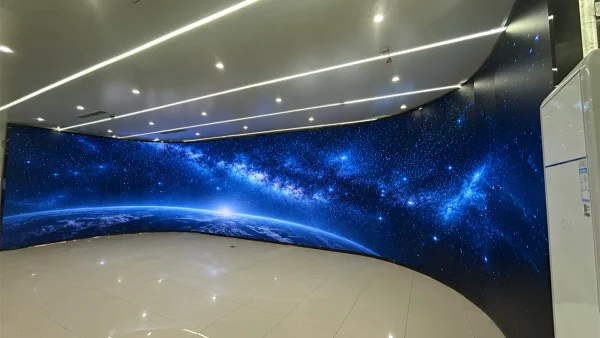
View case studyShowrooms Seoul, South KoreaEngineering a 42sqm Concave COB Pro P1.25 Showroom Wall in Seoul
A Korean enterprise client needed a corporate showroom centerpiece in Seoul: a 42-square-meter conca...
View case studyShowrooms Shanghai, ChinaCOB Beta P1.5 Sand Table — Shanghai
A corporate showroom operator in Shanghai needed an L-shaped immersive digital sand table — 9.6 mete...
View case studyEquipment OEM Vision-testing equipment OEMP0.78 Hub Board — Medical Device
A medical device developer creating vision testing equipment needed a single standalone P0.78 COB LE...
View case studyRetail Workshop prototypeAT&T — COB Prototype Upgrade
Following AT&T's successful 630-unit P2.5 pillar rollout, the next question was inevitable: which pi...
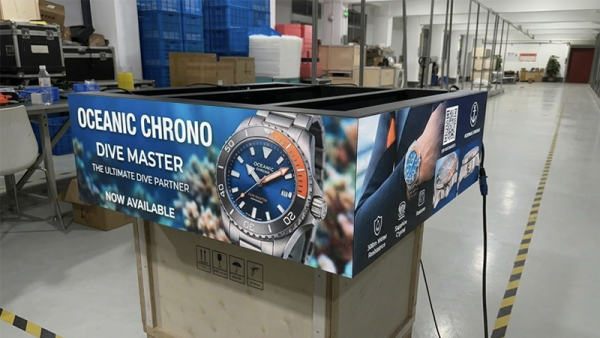
View case studyEquipment OEM USA · Casino equipment OEMCasino Gaming Machine COB LED Wrap
A casino equipment OEM needed a 90-degree COB wrap that frames a fixed ticket/card dispensing window...
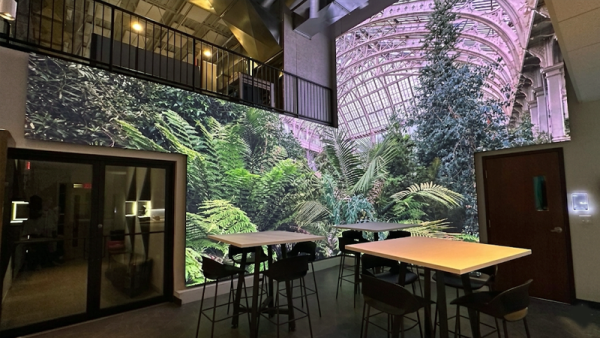
View case studyShowrooms New Jersey, USAImmersive P0.9 COB Showroom — New Jersey
A major enterprise client needed their New Jersey corporate showroom overhauled — replacing standard...
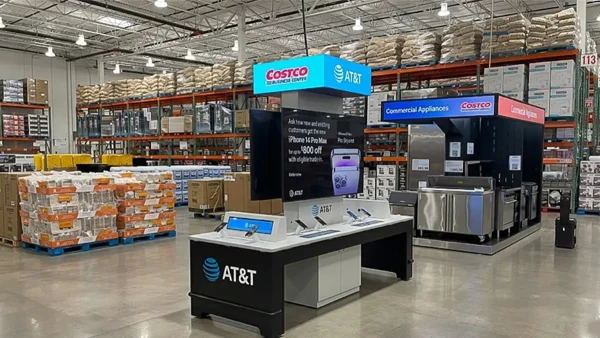
View case studyRetail USA · Retail rolloutAT&T — 4-Sided LED Pillar
The marketing agency representing AT&T wanted to replace outdated flat LCDs at Costco retail booths ...
View case studyVenues & museums Bangkok, ThailandSuspended Circular LED Display
A local company's activity center in Bangkok's CBD — a compact stage area — wanted a 3-meter borderl...
View case study