 All-in-One COB LED TV
  Flexible LED Displays
  Transparent LED Displays
  Led Poster
  Circular LED Displays
  Creative & Custom LED Displays
 Digitalization drives widespread outdoor LED display use. You see them in ads, traffic signs, and sports events.Therefore, you may need an energy-saving outdoor LED screen to get better ROI.
Industry Challenges: Energy Drain and Market Chaos

Global energy-saving efforts intensify. Yet outdoor LEDs consume huge power. They run non-stop across vast areas. High costs and environmental strain result. We must break this energy-saving barrier now.
The market also battles sameness after 20 years. Growth slows while profits shrink. Low entry barriers flood the field with players. Competition turns fierce. Even top firms stay cautious. You rarely find quality options amid cheap knockoffs. Worse, faulty circuits spark frequent fires. They threaten lives and cause heavy losses.
What is an outdoor dynamic common cathode energy-saving LED display?
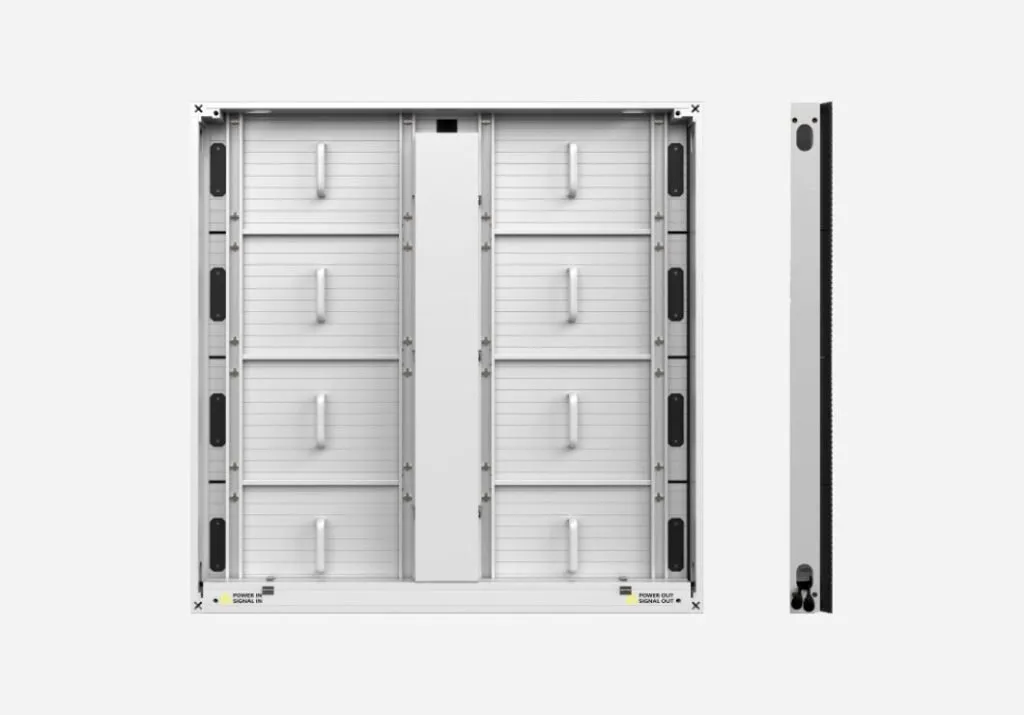
An outdoor dynamic common cathode energy-saving LED display is a type of LED screen. It combines common cathode driving technology with dynamic power management to achieve energy savings, especially in high-brightness applications.
Common Cathode Technology
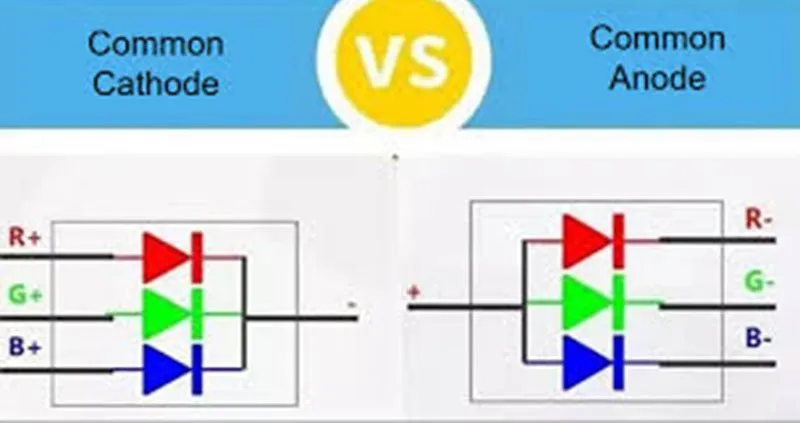
In a traditional LED display, the common anode approach is often used, where all the LED anodes (positive terminals) are connected together, and the current flows through individual cathodes (negative terminals).
In common cathode systems:
- All cathodes (negative terminals) of the RGB LEDs are connected together.
- Red, green, and blue LEDs receive separate, optimized voltages through their anodes.
This separation allows for:
- Better voltage matching per color.
- Lower heat generation, especially in the red diodes.
- Higher energy efficiency, typically saving 20–30% power compared to traditional LED driving methods.
Dynamic Power Management
“Dynamic” refers to adaptive or real-time control of voltage or current based on actual content and environmental conditions.
- Brightness Adjustment: The system automatically adjusts power to individual LEDs based on image content (e.g., darker scenes require less power).
- Ambient Light Sensing: LED display systems dynamically adjust brightness and power based on external light conditions (e.g., cloudy vs. sunny).
- Scene-Based Optimization: The driving system can prioritize energy-saving modes during low-load scenarios.
Outdoor-Grade Design
These displays are built to withstand harsh outdoor conditions, so they include:
- High brightness (≥5000–8000 nits) for visibility in daylight.
- Weatherproof housing (IP65 or higher) to resist rain, dust, and UV.
- Temperature control (fans or heat dissipation systems) to maintain performance under heat stress.
- Wide viewing angles and high contrast ratios for public or roadside use.
Key Advantages
- Energy-saving Reduces power consumption up to 30%, lowering electricity bills.
- Lower heat Enhances reliability, extends component life, and reduces cooling needs.
- Brightness Maintains high brightness necessary for outdoor readability.
- Dynamic control Smart power distribution based on real-time demand.
Typical Applications
- Outdoor advertising (DOOH, billboards)
- Stadium LED boards
- Roadside information displays
- Large-format commercial signage
Our Solution: Outdoor Dynamic Energy-Saving Screens
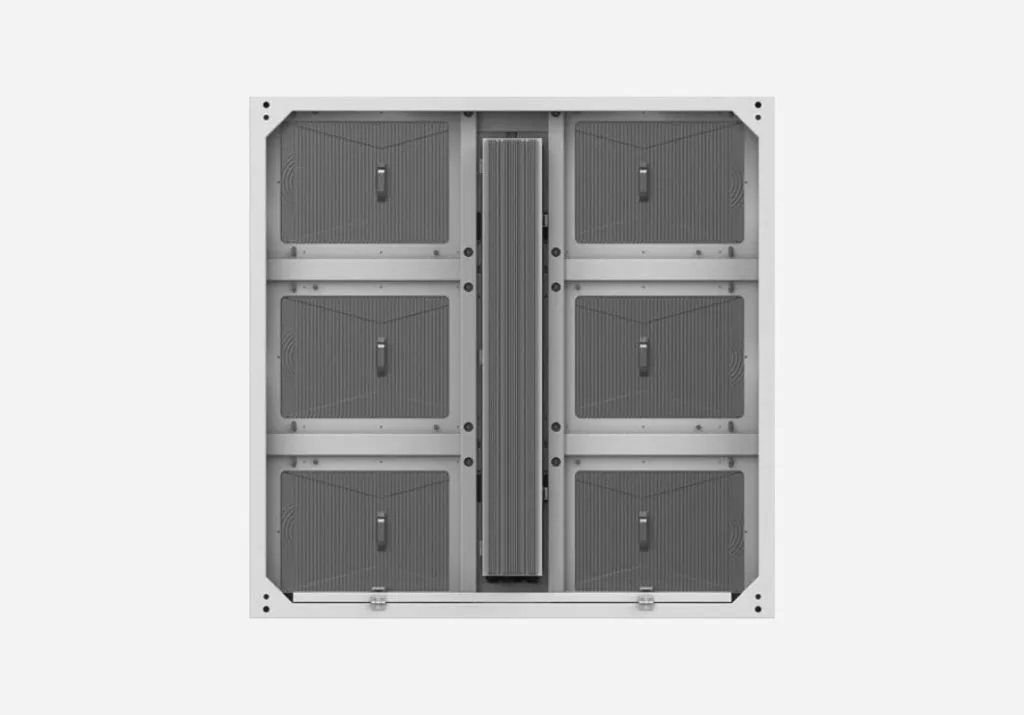
We at Doitvision spot these pains. Our team embraces national green policies. Thus, we created outdoor LED energy-saving screens. They refresh the industry safely. You gain eco-friendly, energy-smart displays.
Innovation Drives Excellence
We invested heavily in this screen. Top LED experts joined our tech mission. Their smart power systems inspired us. Then we merged these with LED science.
We also toughened screens for harsh weather. Every detail got optimized—materials, structure, production. Rigorous tests ensured durability and lower energy use.
Key Benefits of Ours Energy-Saving Outdoor Screens
Energy & Cost Savings:
Our screens excel in efficiency. They use dynamic power allocation plus dual-voltage output. Average power dips to 140W/㎡. You save over 30% energy versus standard screens. Reliable quality extends product life too. Thus, your total costs drop while value soars.
| Maximum Power (8000nit) | Average Power (8000nit) | Daily Electricity Consumption (12 hours) | Annual Electricity Consumption (365 days) | 100㎡ Electricity Cost (per degree electricity 1.3 yuan) | |
|---|---|---|---|---|---|
| 1㎡ Outdoor Dynamic Energy – saving Screen P6.67 | 500W | 140W | 1.68 degrees | 613.2 degrees | 79716 yuan → 79716 / 7 = $11388 |
| 1㎡ Conventional Outdoor P6.67 | 800W | 250W | 3 degrees | 1095 degrees | 142350 yuan → 142350 / 7 = 20335 USD |
| Comparison Results | Reduce by 37.5% | Reduce by 44% | Reduce by 1.32 degrees | Reduce by 481.8 degrees | Reduce by 62634 yuan → 62634 / 7 = 8947 USD |
Enhanced Safety:
We use die-cast aluminum shells. They blend thermal silicone for fire resistance. You get lower fire risks plus stable performance. Our sealed design blocks water and dust. It features full-sealed modules and dual-rubber-ring pins. Thus, IP65 protection prevents corrosion. This eliminates water damage and self-ignition.
Eco-Friendly Design:
Metal replaces traditional iron/plastic. Over 80% materials are recyclable. You solve end-of-life environmental concerns.
Superior Adaptability:
Die-cast aluminum handles extreme conditions. They work perfectly in coastal salt-spray zones. You can rely on them in freezing northern climates. We meet diverse client needs worldwide.
How Much Do Outdoor Energy-Saving LED Screens Cost?

Outdoor LED screens cost depends on several key factors. Before diving into energy-saving models, let’s understand the general price range of traditional outdoor LED displays.
General Cost of Standard Outdoor LED Screens
Conventional outdoor LED displays usually cost between $400 to $900 per square meter. The price varies depending on the pixel pitch, brightness, cabinet type, and installation environment. For example, a P10mm screen may cost around $400–$500/m², while a P4mm screen may reach $700–$900/m² due to higher resolution.
This pricing doesn’t include installation, steel structure, control systems, or taxes. When you include those, your total budget will increase significantly.
Outdoor Energy-Saving LED Screens
Energy-saving LED displays use common cathode technology and dynamic power control. They consume less power and generate less heat. Terefore, It can help you reduce long-term electricity bills. They are especially useful in large outdoor applications.
Here is a comparison table of common outdoor energy-saving LED screen configurations:
| Pixel Pitch (mm) | Pixel Matrix/m² | LED Type | Brightness (nits) | Power-Saving Range | Est. Price (USD/m²) |
|---|---|---|---|---|---|
| 3.9mm | 65536 | SMD1921 | 5000 / 6000 | 25–30% | $790 – $950 |
| 4.8mm | 43284 | SMD1921 | 5000 / 6000 | 25–30% | $730 – $950 |
| 6.25mm | 25600 | SMD2727 | 6500 / 9000 | 30–35% | $680 – $850 |
| 7.8mm | 16384 | SMD2727 | 6500 / 9500 | 30–35% | $620 – $780 |
| 10.4mm | 9216 | SMD2727 | 6500 / 10000 | 30–35% | $520 – $680 |
This table shows the main technical parameters and the typical price range. As the pitch gets larger, the cost per square meter decreases. However, image clarity also reduces, so you can choose them based on your application needs.
What Factors Affect the Price?
You may know the price is different. Several factors impact the final cost of your outdoor energy-saving LED screen.
1. Pixel Pitch
Smaller pixel pitch means more LEDs per square meter. This leads to higher cost and better image clarity. You should choose finer pitch for short-viewing distance.
2. Brightness
High brightness is necessary for sunny environments. More brightness means more powerful LEDs and higher cost. A screen with 10000 nits costs more than one with 6000 nits.
3. LED Type
Most energy-saving screens use SMD1921 or SMD2727. SMD2727 performs better in high-brightness applications. It’s also more durable outdoors.
4. Energy-Saving Technology
Common cathode technology is more complex to design and manufacture. Therefore, energy-saving models cost about 5%–15% more than regular ones. However, you save on electricity over time.
5. Cabinet Material
Aluminum cabinets are lightweight and resist corrosion. They cost more than iron cabinets but improve cooling and reduce weight.
6. Control System
You’ll need a reliable control system like NovaStar or Colorlight. Advanced systems with remote monitoring or 4K compatibility will increase your budget.
7. Installation and Structure
You must consider the cost of steel structure, power lines, and labor. Some LED suppliers offer complete turnkey solutions. Others sell only screen panels.
8. Quantity and Screen Size
Buying in bulk usually reduces unit price. Larger screens may receive better discounts. You can always ask the supplier for volume pricing.
9. Shipping and Import Duties
If you’re importing from China or another country, add shipping fees and local taxes. These can increase the total cost by 10%–20% or more.
How Much Should You Budget?
Here are some rough estimates for a complete screen setup:
- P3.9 outdoor screen (10m²): $9,000 – $11,000
- P6.25 outdoor screen (20m²): $13,000 – $15,000
- P10.4 outdoor screen (30m²): $17,000 – $19,000
These estimates include panels, power supplies, basic structure, and control systems. They do not include foundation work, labor, or taxes.
Conclusion:
Our Outdoor Energy-Saving screens already attract market attention. We will keep innovating and investing in R&D. Expect better performance and wider applications. We actively partner with industry peers too. Together, we advance LED technology sustainably. Let’s build greener, smarter cities.