 All-in-One COB LED TV
  Flexible LED Displays
  Transparent LED Displays
  Led Poster
  Circular LED Displays
  Creative & Custom LED Displays
 Amid the twin forces of global urbanization and technological innovation, the LED display screen industry is undergoing a profound transformation. Once a traditional medium for outdoor advertising, LED screens are evolving beyond mere information dissemination to become vital components of urban aesthetics and interactive communication.
From the dazzling billboards of New York’s Times Square to the naked-eye 3D landmarks of Shanghai’s Lujiazui, and even the smart bus shelters in emerging Asian cities, LED display screens are redefining their role and value. This shift is driven by advancements in ultra-fine pitch technology, the growing demand for aesthetic experiences, and the evolving needs of city planners and consumers.

Technological Drivers: From Functionality to Aesthetic Elevation
The transformation of outdoor LED display screens owes much to rapid technological advancements. Previously valued for their brightness and large-scale visibility in advertising, these screens are now leveraging cutting-edge innovations to transcend functionality and embrace urban artistry.
The widespread adoption of ultra-fine pitch technology is a cornerstone of this evolution. In recent years, screens with pitches below P1.0 have entered the outdoor domain, offering resolution and color fidelity comparable to indoor displays.
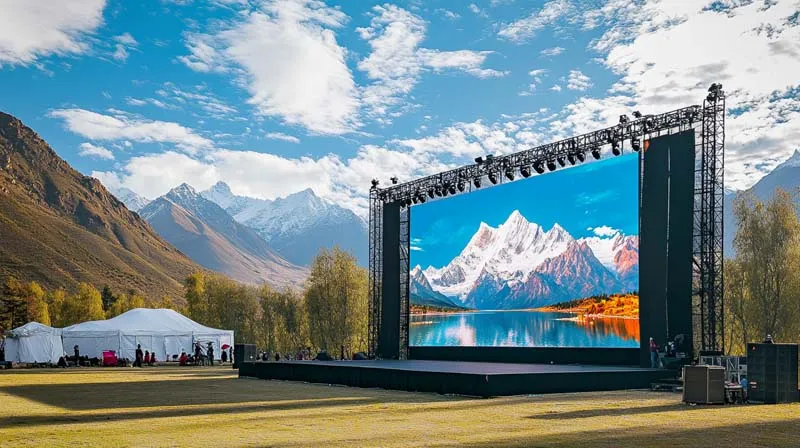
For instance, Leyard’s LUO-1.5 outdoor fine-pitch screen, with its high clarity and wide viewing angles, was employed by NBC for the 2024 Paris Olympics broadcasts, showcasing the potential of outdoor screens in premium applications.
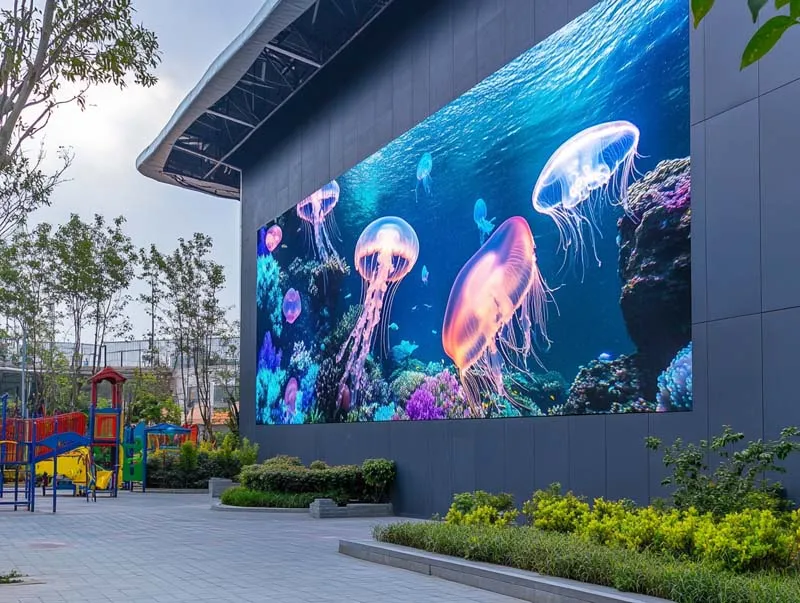
The advent of naked-eye 3D technologyhas further propelled LED screens to new creative heights. By integrating dynamic content with hardware, naked-eye 3D delivers immersive visuals without requiring wearable devices—Seoul’s COEX Plaza giant 3D screen, now a city landmark, exemplifies this trend, drawing global visitors. Additionally, energy-saving and intelligent technologies are pivotal.

Low-power LED chips paired with AI-driven real-time content management systems reduce operating costs while enabling smart interactivity, such as adapting displays to weather, traffic, or audience needs.
These technological leaps have collectively shifted outdoor LED screens from utilitarian advertising tools to aesthetic pillars of urban landscapes. Whether through the artistic contours of spherical screens or the seamless integration of transparent LED panels with architecture, they are infusing cities with new visual vitality.
The Evolution of Market Demand
While technology provides the foundation, evolving market demands are the direct catalysts for the functional upgrade of outdoor LED screens. As global urbanization accelerates, expectations from city authorities and brands have outgrown traditional advertising.
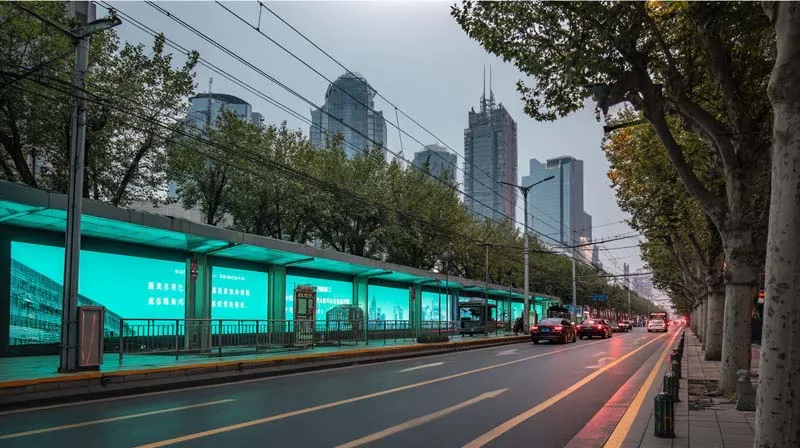
Urbanization and brand image enhancement are key drivers. In mature markets like Europe and the U.S., outdoor LED screens are widely integrated into street furniture and bus shelter displays—London’s dynamic info screens, for example, serve both commercial and beautification purposes.

In emerging Asian markets like the Middle East and Southeast Asia, rapid urban development has spurred demand for landmark screens, such as Dubai’s creative LED projects aimed at elevating its global profile. Shifting consumer behavior also fuels this trend. Modern audiences prefer immersive, interactive experiences over one-way advertising, pushing LED screens toward dynamic engagement. Policy and environmental mandates add further momentum.
The EU’s green building standards and China’s carbon neutrality goals have spurred the development of energy-efficient screens to align with sustainability objectives.
According to TrendForce’s 2025 Global LED Display Market Report, the outdoor LED screen market is projected to reach $1.5 billion in 2024, with a compound annual growth rate (CAGR) of approximately 9.8% from 2023 to 2028. Europe and the U.S. lead with mature technology and high-value demands, while emerging Asian markets capitalize on infrastructure investments and urbanization dividends. This dual-track demand evolution offers vast opportunities for industry growth.

Diversification of Application Scenarios
The functional transformation of outdoor LED screens is vividly reflected in their expanding application scenarios. Moving beyond traditional billboards, they now serve as integrated platforms for urban aesthetics and information exchange.
Urban landmark creation is a hallmark of this shift. Naked-eye 3D screens, with their striking visual impact, have become city signatures—Chengdu’s Taikoo Li district in China, for instance, uses 3D animations to showcase traditional culture, drawing crowds and media attention. Spherical screens, like Las Vegas’s Sphere, blend unique designs with artistic appeal, doubling as stages for concerts and festive light shows.

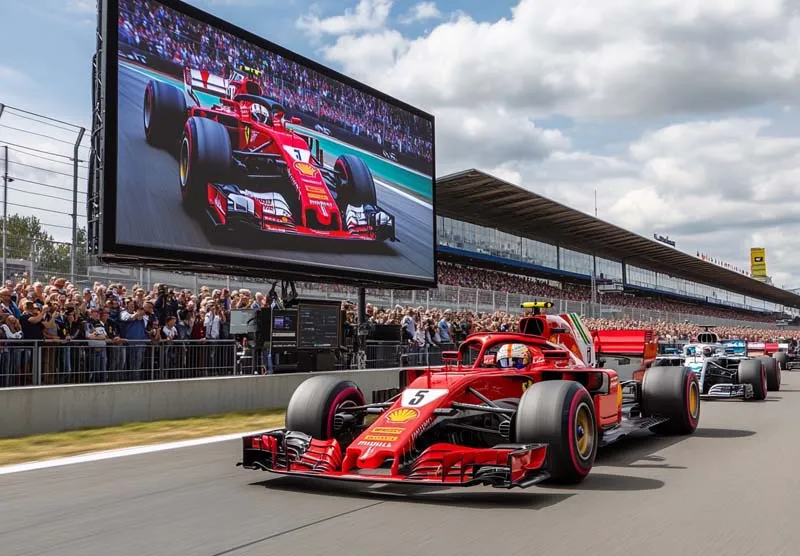
Public information interaction is another key domain. In smart city initiatives, outdoor LED screens deliver real-time updates—Tokyo’s traffic flow displays and Singapore’s weather boards enhance urban efficiency and resident convenience. The cultural and entertainment sector is also thriving. During the 2024 Paris Olympics, outdoor screens not only broadcast events but also staged light shows celebrating French heritage, highlighting their cultural storytelling potential.
These diverse applications not only bolster urban functionality but also forge emotional connections with residents and visitors through aesthetic design, marking a leap from passive messaging to active engagement.

Global Market Performance and Regional Variations
The transformation of outdoor LED screens manifests distinctly across global markets, revealing both regional characteristics and growth trajectories.
In Europe and the U.S., technological maturity and premium demand dominate. In 2024, the U.S. accounted for 28% of the global outdoor LED market, with emphasis on creative and interactive displays—New York’s Times Square curved mega-screens exemplify the fusion of advertising and urban scenery. Europe prioritizes eco-friendliness and aesthetics, with projects like bus shelter screens in the Netherlands and Germany setting industry benchmarks.
Conversely, emerging Asian markets exhibit explosive growth. The Middle East, buoyed by oil wealth and urbanization, saw a 12% market surge in 2024, while Southeast Asian nations like Indonesia and Vietnam ride infrastructure booms. Chinese firms play a pivotal role globally—Leyard’s 2023 revenue from Asia, Africa, and Latin America hit 27%, while Unilumin’s overseas income reached 61.14%, underscoring their competitive edge.
These regional disparities offer strategic insights. Europe and the U.S. demand innovation and localized services, while emerging markets prioritize cost-effectiveness and rapid deployment, driving the industry toward comprehensive solutions over mere product offerings.
Challenges and Future Prospects
Despite its bright prospects, the transformation of outdoor LED screens faces challenges. High R&D and deployment costs pose significant hurdles—scaling ultra-fine pitch and naked-eye 3D technologies remains costly, and bespoke creative projects amplify expenses. Intensifying competition is another factor, with Chinese firms vying against global giants like Samsung and LG. Technical bottlenecks, such as chip miniaturization and heat dissipation, also demand ongoing breakthroughs.
Looking ahead, the convergence of 5G, AI, and IoT promises to inject fresh vitality. 5G’s high-speed connectivity enables real-time content updates, while AI enhances interactivity—think screens adapting to audience demographics. TrendForce forecasts a CAGR exceeding 10% for outdoor LED screens from 2025 to 2030, driven by smart cities and the metaverse. Industry players should focus on innovation, regional strategies, and cross-sector collaboration to seize this historic opportunity.

The journey from traditional advertising to urban aesthetics has redefined the value of outdoor LED screens, positioning them as pivotal players in global urbanization. Through technological innovation, they elevate cityscapes; through interactive communication, they enhance functionality; and through intelligent design, they pave the way for the future. This transformation is more than an industry evolution—it’s a vibrant footnote to cities’ march toward wisdom and beauty.
Among the trailblazers is DOIT VISION, headquartered in Shenzhen, China. Since its founding in 2013, led by Kris Liang’s over a decade of LED expertise and a top-tier R&D team, DOIT VISION has risen to industry prominence. Specializing in high-quality, high-performance LED screens, its innovations—like the Matrix 500 rental panel and fine-pitch outdoor IP68 flexible displays—embody cutting-edge prowess.

Committed to “customer-first” principles, DOIT VISION offers tailored solutions alongside standard products, spanning indoor, outdoor, rental, and fine-pitch applications for exhibitions, stages, retail, hotels, and concerts. With 24/7 service across 50+ countries and 500+ global success stories, its products—certified by CE, EMC, UL, ETL, IECEE, and SASO—reflect unmatched quality and reliability. Choosing DOIT VISION means embracing excellence and partnership, illuminating a brilliant future in this era of urban aesthetics and interactivity.
