 All-in-One COB LED TV
  Flexible LED Displays
  Transparent LED Displays
  Led Poster
  Circular LED Displays
  Creative & Custom LED Displays
 Technology has changed and we have access to new gadgets. Many businesses are switching to football marketing in the sort of perimeter led display as the TV stream of matches keeps growing.
In a large stadium, the place can accommodate tens of thousands of people. In addition to the stadium, millions of people watch sports events through other media platforms. At this time, brand promotion and advertising on a high-quality LED perimeter screen is a perfect choice, bringing more advertising opportunities.
What Is Perimeter LED Display?
A key technological advancement in sports entertainment is perimeter LED displays. These large LED screens have several uses and are typically positioned around the Perimeter or sidelines of sporting venues. They are primarily used for marketing campaigns but are also vital for providing real-time score updates, sponsor messaging, and an enhanced fan experience.
These dynamic Perimeter LED displays add a great deal to the immersive atmosphere of sporting events. They may show a wide range of content, from vivid adverts to real-time graphics and live video feeds. In addition to providing entertainment, peripheral LED displays are essential sources of income for event planners, who may increase profits by utilizing targeted advertising alliances.

Where Can You Use LED Displays for Sports Stadiums
LED displays have become integral components in modern sports stadiums, enhancing the overall spectator experience and offering versatile opportunities for engagement. These displays are strategically positioned throughout the venue, serving various purposes and contributing to sporting events’ immersive and dynamic nature.
- Perimeter LED Displays:
Installed along the sidelines or Perimeter of the field or court, perimeter LED displays are prevalent in many sports stadiums. These expansive screens are utilized for advertising, displaying sponsor messages, and broadcasting live game statistics. Their dynamic capabilities allow for the seamless integration of vibrant advertisements, graphics, and live video feeds, contributing to the overall spectacle of the event.

- Scoreboards and Video Displays:

LED displays are commonly employed as scoreboards and video screens. Placed in prominent locations like the center of the arena or above each end zone, these displays provide real-time updates on scores, game statistics, and instant replays. Their high resolution ensures that spectators can follow the action clearly, even from a distance.
- Ribbon Displays:
Positioned around the stadium’s fascia, the ribbon LED display for sport provides a distinctive visual accent. These endless horizontal screens are multifunctional; they can show ads, animations, and scrolling text. Regarding displaying information in real time, ribbon displays work exceptionally well for things like sponsor announcements, news updates, and other game scores. The stadium’s atmosphere is enhanced by its dynamic nature, especially at halftime or game breaks.
- Concourse Displays:
LED display for sport in concourse areas serve as communication hubs, providing information, entertainment, and promotional content. These screens, which provide vital announcements, event schedules, and highlights, are positioned strategically in busy places. Concourse displays, which include interactive features, trivia, and adverts, are beneficial for keeping fans interested during downtime. By providing information and entertainment to spectators as they go through the stadium concourse, they enhance the fan experience and heighten the excitement and anticipation during the event.
- Digital Signage in Concession Areas:
Perimeter LED displays in concession areas are used to showcase menus, promotions, and advertisements. These dynamic signs inform spectators about available food and beverage options and serve as revenue generators through strategic advertising partnerships with vendors.
- Club and Suite Displays:
Premium seating areas, such as clubs and suites, often feature high-quality LED displays for sport. These screens can provide exclusive content, live game feeds, and personalized messages for VIP attendees, enhancing their overall experience.
- Entrance and Ticketing Displays:
LED displays at entrances and ticketing areas serve as information hubs, welcoming fans, providing directions, and displaying essential announcements. These displays contribute to the overall aesthetics of the stadium and help create a positive first impression for attendees.
- Interactive Fan Engagement Zones:
Some stadiums incorporate interactive LED display for sports in designated fan zones. These displays may allow fans to participate in games, polls, or social media interactions, fostering a sense of community and engagement among spectators.
What Are Factors Related to Perimeter LED Display
Several factors are integral to the design, implementation, and effectiveness of LED perimeter displays in sports stadiums. These are some of the critical factors related to LED perimeter displays:
- Resolution and Clarity:
LED perimeter display for sport must have a high resolution to guarantee sharp and vivid visuals. The total impact of the display is increased when complex details, including text and logos in advertising, can be effectively communicated. The increased resolution also allows displaying dynamic content and live game data effectively, giving viewers a more engaging experience.
- Brightness and Visibility:
LED display for sports stadiums must contend with varying lighting conditions. Adequate brightness ensures visibility, even in daylight or under stadium floodlights during evening events. Displays with adjustable brightness levels can adapt to different environmental conditions, maintaining optimal visibility for spectators and maximizing the impact of advertising content.
- Dynamic Content Capabilities:
Perimeter LED displays are highly versatile due to their capacity to present dynamic material. Whether showing real-time statistics, animated graphics, or live video feeds, smoothly transitioning between different kinds of content raises the display’s entertainment value. This function is essential for interacting with followers and sending a strong message during advertising.

- Size and Dimensions:
The specific requirements of the sports venue determine the size and dimensions of Perimeter LED displays. Displays must be large enough to captivate the audience and proportionate to the stadium’s viewing distances. Careful consideration of size ensures that the display remains a prominent visual element without obstructing the view of spectators in different seating areas.
- Weather Resistance:
Since outdoor LED display for sport are weather-exposed, they must have strong weather resistance. For displays to function dependably in any weather condition, they need to be built to endure rain, wind, and temperature changes. Weatherproofing techniques, such as sealed cabinets and protective coatings, contributed to the display’s extended lifespan and continued maximum performance.
- Advertising Content Management:
LED perimeter displays often serve as prime advertising for real estate. An effective content management system allows for the dynamic scheduling and display of advertisements. This capability enables event organizers to manage advertising campaigns, showcase sponsor messages, and tailor content to specific events, maximizing the revenue potential of the displays.
- Control and Connectivity:
A reliable control system is essential for efficiently managing LED perimeter display for sport. This includes connectivity options for integrating with broadcast systems, scoreboards, and other stadium control systems. Remote control capabilities facilitate real-time adjustments and troubleshooting, ensuring that the displays operate seamlessly during events.
- Maintenance and Serviceability:
Regular maintenance is crucial for LED perimeter displays’ longevity and optimal performance. Displays should be designed for easy access and serviceability, allowing technicians to address issues promptly. Proactive maintenance practices, such as routine inspections and software updates, help prevent event downtime.
How Much Does a Perimeter LED Display Cost?
The Perimeter LED display cost can vary significantly based on several factors, including size, resolution, quality, installation requirements, maintenance needs, and additional features. The price usually ranges from $400-$1000 per square meter.

$980 up to $1050 per square meter for P10mm ,960*960mm cabinet size outdoor stadium screen.
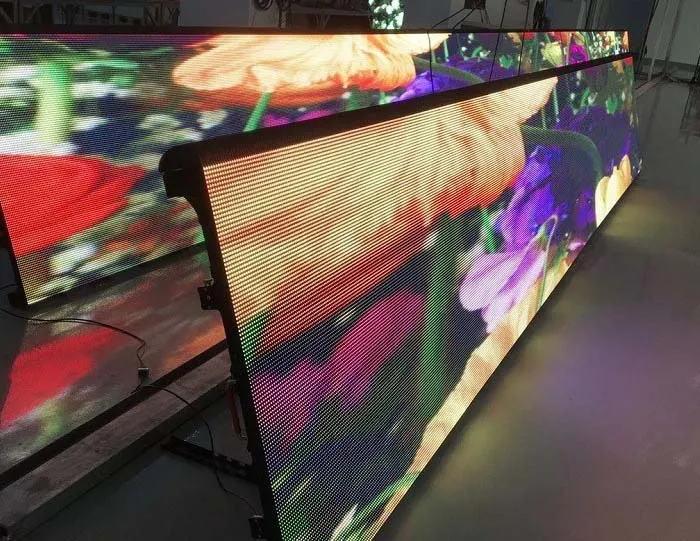
1)The price per square meter includes the top cover and back frame, and iron cabient and aluminum cabinet are available.
2)Price includes receiving card and cable; Controller and packaging not included, it depends on your needs.
3)Regarding transportation, we have the more common transportation methods of by air and by sea. We also provide door-to-door solutions and will deliver them directly to your warehouse.
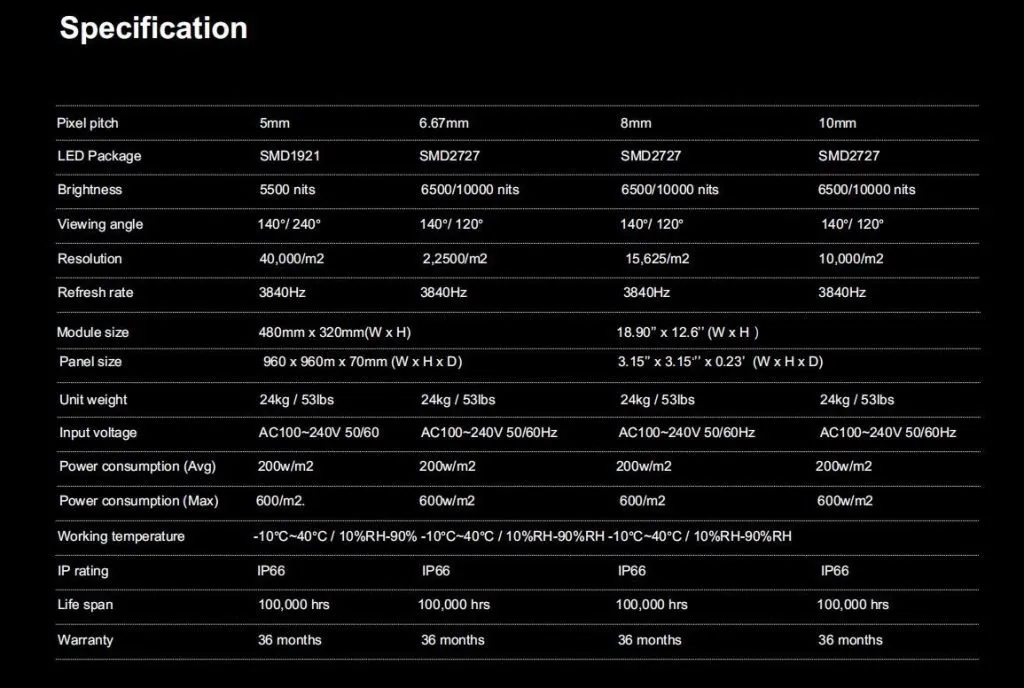
Scoreboards and Video Displays cost
On average, you can expect the price of an LED scoreboard for high schools, colleges, or recreational facilities to run between $4,000 and $750,00.
The price of an LED scoreboard can vary greatly depending on the size, features, and quality of the unit.

· Medium-sized Scoreboard cost (100-300 Square Feet):
$45,000 up to 58,000 for P10mm SMD 8000mm x 5000mm with 960*960mm Basketball Scoreboard Cost, iron cabinet ,6500nits.
1)This price is based on the unit price per square meter. The price range will be different for the use of different brands of LED lamp and refreshes, cabinet materials, etc.
2) Price includes receiving card and cable; Controller and packaging not included, it depends on your needs.
3) Regarding transportation, we have the more common transportation methods of by air and by sea. We also provide door-to-door solutions and will deliver them directly to your warehouse.

· Big Scoreboard screen cost ( Footage Above 300 square feet):
Larger and higher-resolution displays generally come with higher price tags. The display size directly contributes to the Perimeter LED display cost, as larger screens require more LED panels and sophisticated technology to maintain resolution and brightness.
$70,000 up to 15,0000 for P10mm SMD 15000mm x 9000mm with 960*960mm Football Scoreboard Cost, Aluminum cabinet, 6500nits.
Cost of LED scoreboards and video scoreboards for basketball, baseball, football, and soccer are influenced by sport-specific factors. Considerations include display size and features, specialized requirements, timing systems, graphics/animations, data integration, and venue considerations. These factors impact the overall cost.
For instance, basketball scoreboards show scores, game time, shot clock, and team fouls. Baseball may require additional displays for inning information or pitch count. Football and soccer scoreboards focus on scores and time. The complexity and customization involved contribute to the cost.
Perimeter LED Display Cost
| Pixel Pitch | Maintenance | Cabinet Material | Price/SQM |
| P6.67mm | Front service | Die cast aluminum | $750~$950 |
| P6.67mm | Front service | iron Cabinet | $710~$900 |
| P8mm | Front service | Die cast aluminum | $630~$850 |
| P8mm | Front service | iron Cabinet | $5800~$790 |
| P10mm | Front service | Die cast aluminum | $530~$700 |
| P10mm | Front service | iron Cabinet | $480~$650 |
Conclusion
Purchasing a perimeter LED display for sports arena necessitates a thorough analysis of several variables. Reaching some objectives requires balancing display size, resolution, brand reputation, and customization requirements. The decision-making process also considers prospective improvements and long-term maintenance expenses. Individuals and corporations can optimize their investment by carefully evaluating these elements, enabling them to make financially prudent decisions that satisfy their immediate demands and correspond with growing technological trends. This strategic approach ensures the acquisition of a highly innovative and aesthetically pleasing LED display solution, contributing to dynamic and immersive experiences in sports stadiums, engaging audiences, and improving overall environments.
FAQS:
1.Do led perimeter displays bother soccer players?
In the field, a perimeter Led is an economical and beautiful show. It’s the best for live broadcasting and television commercials. The screen can be installed throughout the stadium. You can picture the powerful and visible effect it has.
It may change the colors and modify color temperature dynamically, making it incredibly user-friendly. Perimeter lighting is a type of safety lighting that is used to illuminate large outdoor spaces. So it will not affect the attention of football players, as long as the brightness is adjusted reasonably and screen. These can be a tree lighting, fluorescent lights installed on a high building, or high mast led lighting erected on long poles that lighten broad areas.
2.How to Choose the Right Perimeter LED Display?
In recent years, the country’s strong support for the sports industry, so that the sports industry is developing more and more good, all over the world began to focus on a variety of sports events, began to build or upgrade the stadium perimeter led display screen equipment, just to let more people feel the charm of the sports competition. That how to go to choose the right stadium perimeter LED display it.
- Pixel Pitch
Pixel pitch is the distance between the center of one LED pixel and the center of an adjacent pixel, measured in millimeters. A smaller pixel pitch indicates a higher number of pixels, resulting in higher resolution images. When selecting an indoor LED display, consider the viewing distance to determine the optimal pixel pitch. A larger pixel pitch may be suitable for a large screen viewed at a distance, while a smaller pixel pitch is ideal for close-up viewing. - Brightness
Brightness is crucial for outdoor installations but should also be considered for indoor LED displays. Evaluate the ambient lighting conditions in the environment to ensure optimum visibility. - Viewing Distance
Since indoor displays are often viewed from shorter distances than outdoor displays, it’s important to choose a display with an appropriate viewing distance range. This will ensure that viewers can see the content clearly without any distortion or blurring. - Color Reproduction
Indoor LED displays should be able to reproduce colors accurately and vividly. This is especially important for displays used in retail settings where color accuracy is critical. - Refresh Rate
A high refresh rate is important for indoor LED displays that will be displaying fast-moving content like sports games or concerts. A higher refresh rate ensures smooth motion and eliminates flickering. - Size
Selecting the right screen size is crucial in ensuring your indoor LED display delivers optimal performance. The size of the display depends on various factors, including the available space, the viewing distance, and the content you plan to display. For instance, if your audience will be located at a distance from the screen, you might need to select a larger display size to ensure visibility and clarity.
3.How Much does it Cost to Advertise at a Football Stadium?
P6, P8, and P10 are the common forms of LED Perimeter Panels, which are utilized in-stadium marketing. The public can see advertising play on a repeat while watching the fantastic games, which wonderfully integrates sports rivalry with advertisements. High-quality goods, a vibrant color presentation impression, and a real-time telecast of the event enable stadium organizers and advertisers to strengthen their brand reputation and deliver an outstanding experience for all attendees.
These advertisement styles range in price from $6000 to $15,000 per game, based on the match and team. Sponsors and marketers have become so beneficial to today’s sporting venues and games that they are now required to keep the balance.
As more marketers join the queue, the need for technology rises, and costs fall. It has a secondary consequence in that it creates more firms dedicated to offering these innovations so that you and the consumer, can experience the wow element at the event.
4.Tips to Utilize Perimeter Advertising for Your Brand
Perimeter advertising grabs the attention of the public by placing companies amid historic sporting situations. It fosters a favorable relationship between consumers and the businesses being promoted, increasing the chances of those viewers being loyal clients.
- Your Website Should be Promoted
Incorporating the website into a perimeter advertisement is the most effective technique to promote any product. The advantages of including the site in marketing are infinite, whether you’re wanting to improve site traffic, build brand awareness, and promote to more clients. - Offers on Special Occasions
Offers and discounts displayed on perimeter boards can readily reach people watching the match and entice them to respond to the action offered to them. Several brands utilize promotions to increase purchases during and after specific fixtures showing their perimeter marketing while promoting these deals on social media. - Social Media
Supporting social networks through perimeter marketing is a fantastic way to boost engagement. There is no greater market to grab than football fans, with 50 percent of those viewing matches at home also using social networks at the same moment. - Hashtag Marketing
Hashtags can serve as the cornerstone for a comprehensive marketing strategy. Brands can utilize hashtags to promote a specific product, brand, or campaign message by connecting perimeter marketing to social media and encouraging online discussion.
The content management system’s (CMS) sophistication can affect perimeter LED display costs. Advanced CMS with remote control capabilities, scheduling features, and integration options may come with a higher price, but they offer greater flexibility and ease of use. Maintenance costs are an ongoing consideration. Opting for a contract with the manufacturer or a third-party service provider can contribute to a predictable maintenance budget. Maintaining the display regularly ensures consistent performance and longetivity.
Displays designed for outdoor use require weatherproofing features, which can add to the Perimeter LED display cost. Higher durability, resistance to environmental factors, and protective coatings contribute to the overall quality and longevity of the display. Customization, such as interactive capabilities and unique design elements, can increase the Perimeter LED display cost. Customized solutions tailored to specific requirements or branding considerations may involve additional expenses.