All-in-One COB LED TV
 Flexible LED Displays
 Transparent LED Displays
 Led Poster
 Circular LED Displays
 Column LED Screens
 Creative & Custom LED Displays
Amid the surging tide of LED display technology, small-pitch displays have emerged as a dazzling protagonist in the industry’s development, with COB (Chip on Board) technology standing out as a radiant star. As the sub-P1.0 micro-pitch market flourishes, COB technology reigns supreme with its unparalleled advantages, securing its position at the heart of this domain. Among its variants, flip-chip COB shines like a jewel in the crown, leveraging its unmatched ability to achieve chip-level precision, opening vast realms of imagination, and spearheading a new era of technological brilliance. Its exceptional performance not only captivates the industry but also makes it a focal point of pursuit for countless innovators.

The rise of micro-pitch LED displays has become a dominant trend in the realm of modern display technology. In recent years, COB technology has experienced an explosive surge, drawing the attention and investment of manufacturers worldwide. So, what exactly is COB? How does traditional COB differ from full flip-chip COB? Which of the two—traditional or flip-chip—wins the favor of users? Let us lift the veil on this technology and explore the revolutionary forces driving its ascent.
I. The Core Allure of COB Technology
COB, or “Chip on Board” technology, traces its origins to the electronic packaging innovations of the 1960s. By directly soldering bare LED chips onto a circuit board and encapsulating them with specialized resin, this approach fundamentally redefines traditional packaging methods. It not only simplifies structural design but also markedly enhances product stability and durability. Thanks to these advancements, COB technology has propelled LED displays to new heights in brightness, contrast, and lifespan, establishing itself as a cornerstone of the micro-pitch era.

1. Two Forms of COB
Based on distinct packaging techniques, COB technology is primarily divided into two categories: traditional COB and full flip-chip COB.
(1) Traditional COB: A Blend of Classic and Practical
Traditional COB connects the positive and negative electrodes of LED chips to the PCB’s solder pads via techniques like gold wire ball bonding, forming an electrical pathway. This method boasts mature processes and cost efficiency, making it widely applicable across various scenarios. However, as pixel pitches shrink, limitations such as fragile wire bonds and moderate heat dissipation become apparent, posing challenges to its performance in high-end applications.
(2) Full Flip-Chip COB: The Pinnacle of Technological Evolution
Full flip-chip COB abandons traditional wire bonding entirely, orienting the LED chip’s light-emitting surface directly toward the viewer and connecting it to the PCB via advanced techniques like micro-bumps. This eliminates physical connection points, significantly boosting reliability and stability. Additionally, it offers superior heat dissipation, higher luminous efficiency, and lower power consumption. As technology advances, full flip-chip COB has emerged as the undisputed leader in the micro-pitch display market.

2. The Intricate Craftsmanship of COB Packaging
The creation of a COB display hinges on a meticulous packaging process, with each step embodying the artistry of precision engineering:
– Crystal Expansion Foundation: LED chips are delicately placed onto an expansion ring, which is then secured onto a back-gluing machine’s work surface pre-coated with silver paste, initiating the expansion process to lay a solid groundwork.
– Precision Back-Gluing: The expanded ring is transferred to a dispensing machine, which applies precise amounts of silver paste onto the PCB, ensuring firm and uniform adhesion.
– Art of Chip Piercing: Under a microscope’s guidance, operators use piercing pens to meticulously embed each LED chip into designated spots on the PCB—an act akin to micro-sculpting.
– Baking Solidification: The pierced PCB is placed in a thermal cycling oven, held at a constant temperature until the silver paste fully cures, guaranteeing rock-solid connections.
– Wafer Placement: A dispensing machine applies red or black adhesive to the wafer positions on the PCB, followed by the precise placement of wafers using anti-static equipment.
– Protective Lamination: Specialized equipment tightly bonds a protective film to the display surface, enhancing durability and performance.
– Secondary Curing: The sealed PCB undergoes another round in the thermal oven, with curing times tailored to ensure complete adhesive stability.
– Quality Assurance: Rigorous final inspections ensure every COB display meets stringent standards of excellence.
This process is a symphony of precision, with every detail meticulously controlled. As techniques evolve, the efficiency and quality of COB displays continue to soar, setting new benchmarks for the industry.
II. The Epic Showdown: Traditional vs. Flip-Chip COB
Within the evolution of COB technology, traditional and flip-chip variants stand as two titans, each with unique strengths, vying for dominance in performance and application.
1. The Distinct Advantages of Traditional COB
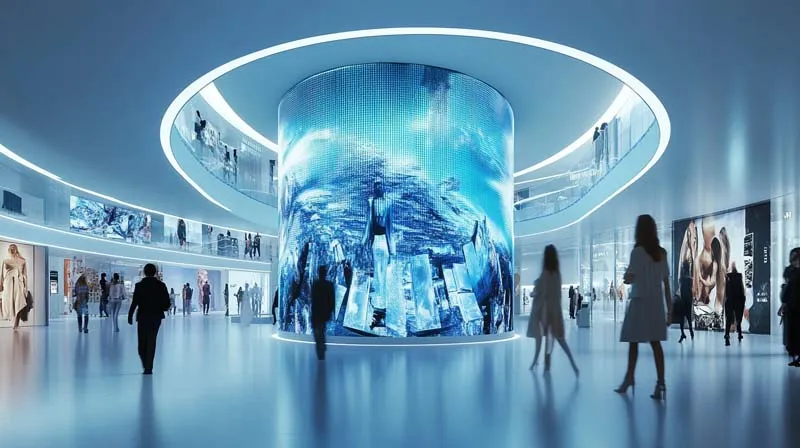
Traditional COB shines with its robust technical foundation, offering a host of compelling benefits:
– Radiant Brightness: By mounting chips directly onto the PCB, it delivers strikingly vivid visuals with exceptional clarity.
– Supreme Contrast: Enhanced contrast yields deeper blacks, purer whites, and richer colors, creating an immersive visual experience.
– Enduring Resilience: Superior heat dissipation and stability extend the display’s lifespan, reducing maintenance costs.
– Efficient Cooling: Heat is swiftly conducted via the PCB’s copper foil, keeping the chip cool and minimizing light decay.
– Tough and Clean: A smooth, durable surface resists wear and impact, with point-by-point repairs made simple and cleaning a breeze.
– All-Weather Versatility: Triple-layer protection ensures resistance to water, dust, and UV rays, thriving in extreme conditions.、
2. The Revolutionary Power of Flip-Chip COB
Flip-chip COB emerges as an upgraded marvel, showcasing unmatched prowess:
– Unassailable Reliability: A thinner encapsulation layer eliminates color streaks and brightness inconsistencies, delivering profound blacks, brilliant highlights, and HDR-supported precision.
– Streamlined Craftsmanship, Superior Display: Building on traditional COB’s strengths, it simplifies production while enhancing near-screen viewing with true chip-level spacing.
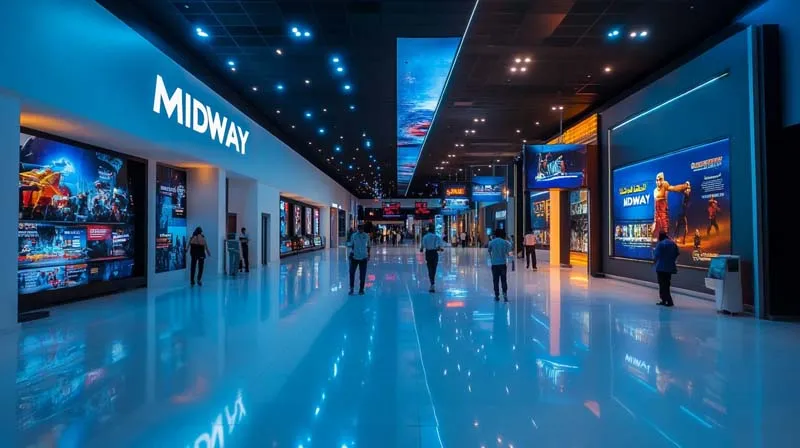
– Expansive Vision: Seamless splicing for 2K/4K/8K resolutions and a 170-degree viewing angle make it ideal for grand-scale displays.
– Ultimate Density: Wire-free design breaks pitch barriers, dominating sub-P1.0 applications.
– Energy-Saving Comfort: A 45% reduction in power consumption and a 10°C cooler surface enhance near-screen comfort.

III. Traditional vs. Flip-Chip: The User’s Verdict
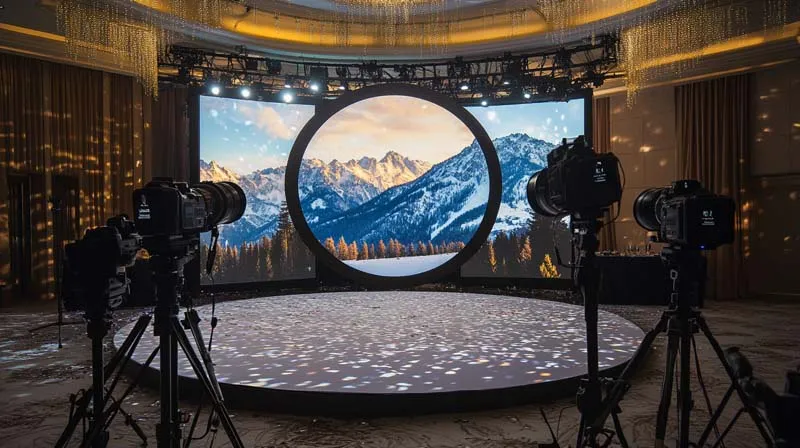
In the clash between traditional and flip-chip COB, the latter’s superior reliability, enhanced visuals, and finer pitches have steadily won over the market. It reigns supreme in high-end settings like command centers and surveillance hubs. Yet, traditional COB retains its foothold in scenarios demanding high brightness on a budget. As technology progresses and costs decline, traditional COB may yet evolve to reclaim ground.
IV. The Boundless Horizon of COB Technology
The future of COB displays stretches like a starry expanse. With relentless innovation, it is poised to supplant traditional SMD technology as the micro-pitch market’s mainstay. Flip-chip COB, as an advanced iteration, will dominate premium applications with its unrivaled performance. Looking ahead, integration with 5G, IoT, and AI promises to infuse COB with intelligent features—remote monitoring, adaptive optimization, and beyond—heralding not just a technological leap but a redefinition of industry paradigms.

V. Partnering with a Global Innovator for a Brilliant Future
As COB technology propels the LED display industry to new heights, DOIT VISION emerges as a global trailblazer worth celebrating.
Headquartered in Shenzhen, China, DOIT VISION was founded in 2013 and has swiftly risen to prominence, driven by founder Kris Liang’s decade-plus expertise and a world-class R&D team. Specializing in high-quality, high-performance LED displays, the company has unveiled groundbreaking products like the Matrix 500 rental panel and the small-pitch outdoor IP68 flexible LED screen, epitomizing cutting-edge innovation.
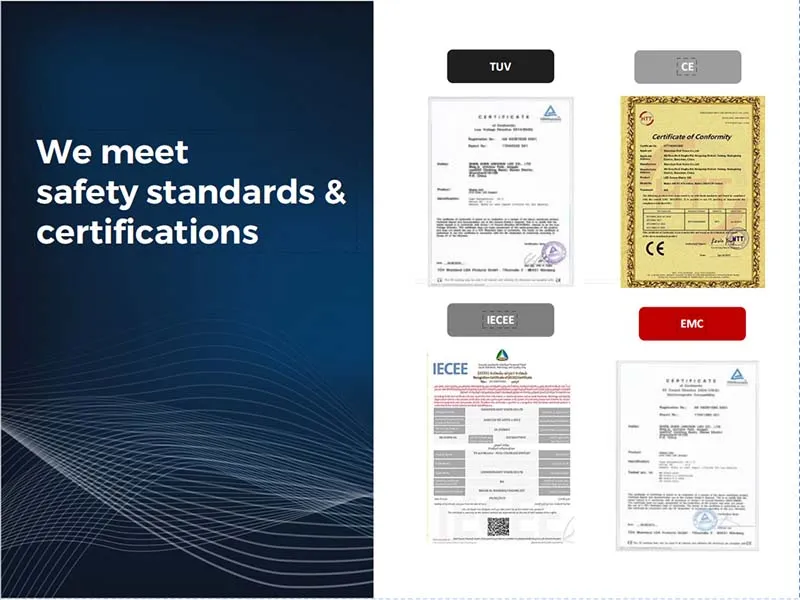
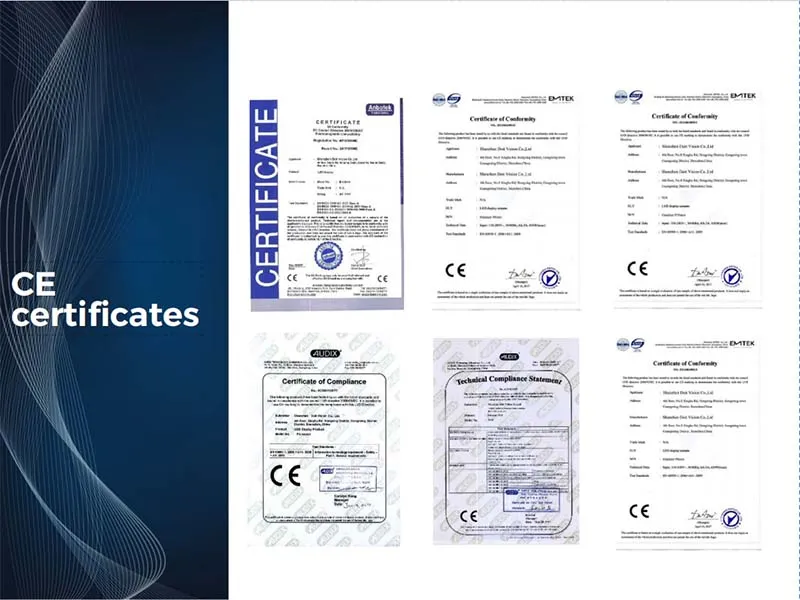
With a customer-first ethos, DOIT VISION offers tailored solutions and 24/7 global support, spanning over 50 countries with 500+ successful projects. Certified by CE, UL, ETL, and more, its products embody excellence and reliability. Choosing DOIT VISION means embracing top-tier quality and service—let’s join hands to create a brighter, bolder future together!