 All-in-One COB LED TV
  Flexible LED Displays
  Transparent LED Displays
  Led Poster
  Circular LED Displays
  Creative & Custom LED Displays
 In 2025, if you walk into the product showroom of a high-end LED direct display company. You may be dazzled by the technical terms: COB, MIP, Mini LED, Micro LED… What is the difference between these advanced technologies? Why do leading companies no longer “choose one of the two” but choose “to do all”?
In fact, the LED direct display industry is experiencing a “technological explosion”. In the past, LED display companies may only need to bet on one technology to occupy a place in the market. But now, with the diversification of applications, a single technology can no longer meet all needs. As a result, leading companies began to “fight on multiple fronts”. They cover various market segments from home theaters to outdoor advertising, XR virtual production to security monitoring by laying out multiple technical routes. Today, Doitvision will talk about why this is necessary.
LED direct display Diversity scenarios
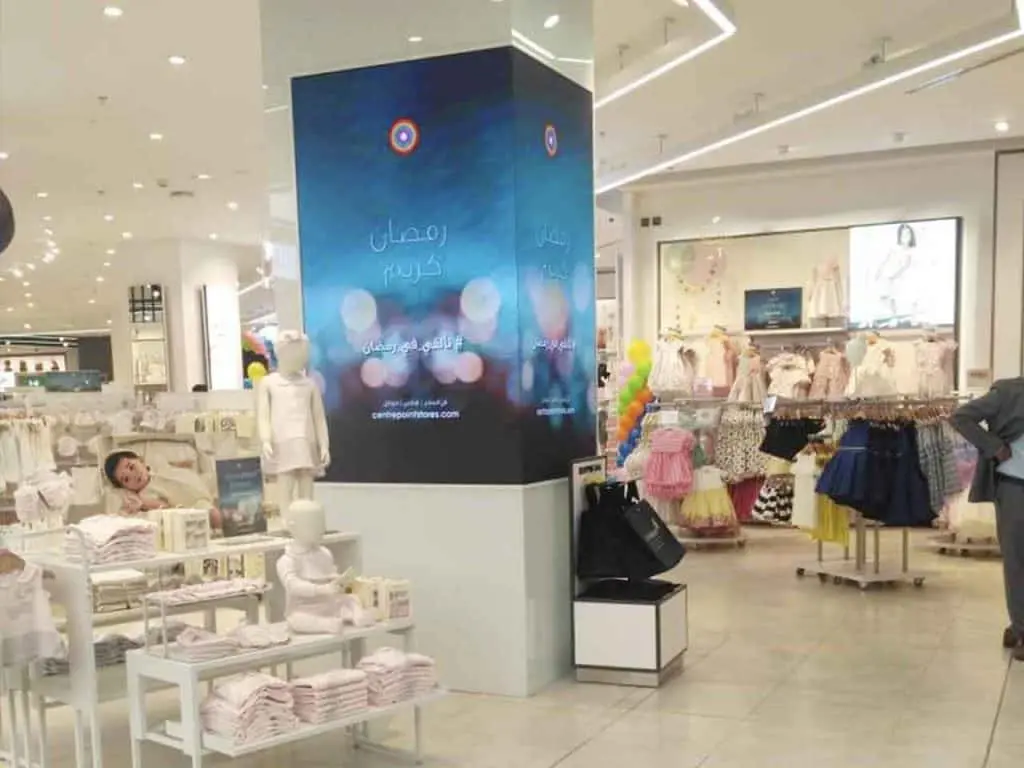
The biggest feature of the LED direct display industry is the diversity of application scenarios. From home TV to outdoor advertising screens, from conference room all-in-one machines to XR virtual production backgrounds, each scene has completely different requirements for LED display products.
Pixel Pitch

First, let’s talk about “pixel pitch”. pixel pitch refers to the distance between LED lamp beads, measured in millimeters (mm). The smaller the spacing, the more delicate the picture, but the higher the cost.
- Home TV market: pursuit of ultimate picture quality, such as Samsung’s THE WALL product, the spacing can be 0.5mm or even smaller. It can meet the needs of 75-inch or 140-inch 4K display.
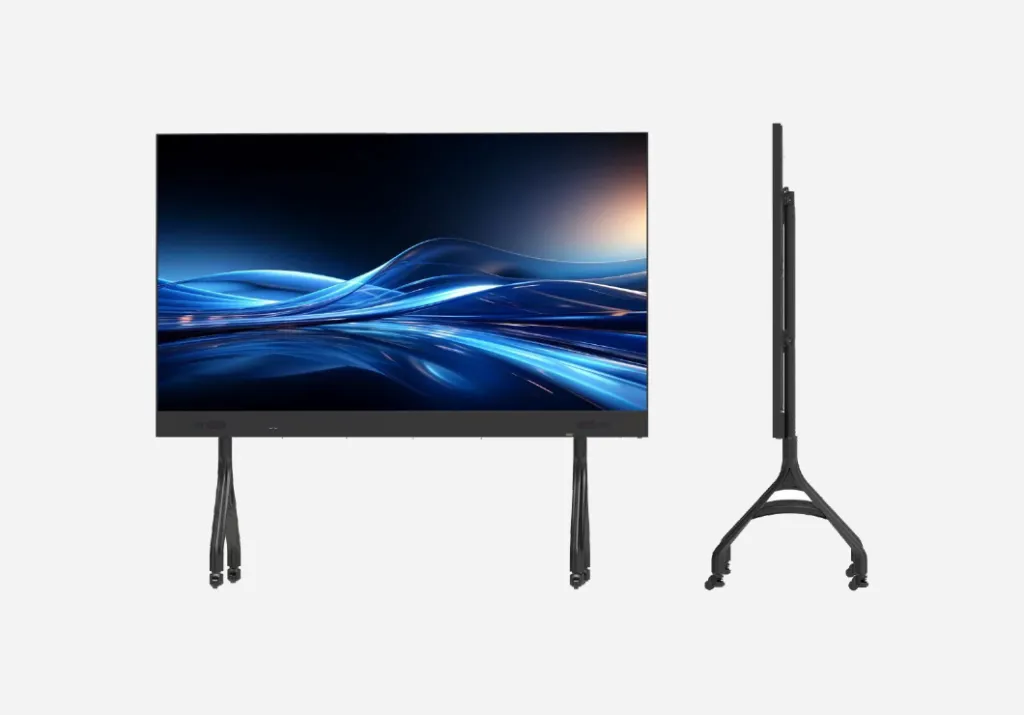
- Conference all-in-one machine: pay more attention to cost-effectiveness, above P1.0 display can meet the needs; because the resolution requirements of conference scenes are not as demanding as those of home theaters.
Protection

Protection is also an important indicator of LED direct display products. Outdoor applications require waterproofing, dustproofing, and high temperature resistance, while indoor applications pay more attention to beauty and thinness.
- Outdoor advertising screens: It need to withstand wind and sun, and the protection level must be high.
- Conference room display screens: pay more attention to thinness and beauty, and the protection requirements are relatively low.
Brightness:
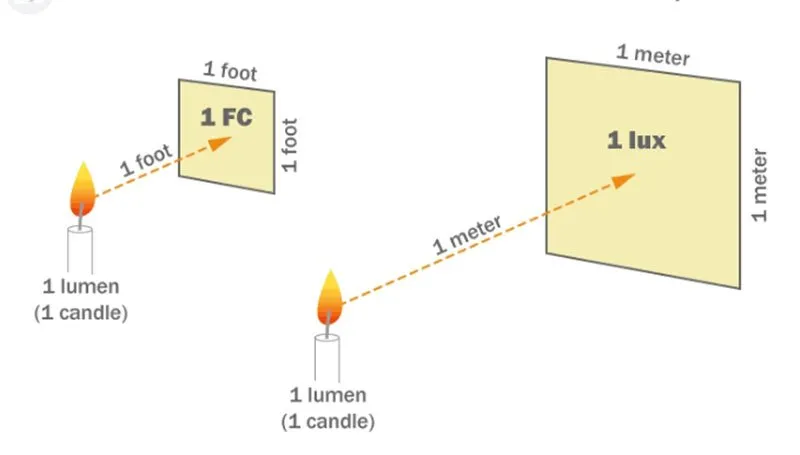
The demand for brightness in different scenes varies greatly.
- Home TV: The brightness is generally between 300-400nit, and too bright is dazzling.
- XR virtual production/stage background: 1500nit or even 5000nit or higher brightness is required. Only with this brightness can a shocking visual effect be presented.
- LED movie screen: Products with the same spacing as XR virtual production may only require 48nit of working brightness; because movie screens require softer light.
Cost:
The costs of different technical routes vary greatly. LED wall companies need to balance performance and cost according to market demand.
- High-end market: For example, home theater giant screens, users are willing to pay a higher price for the ultimate picture quality, so high-end technologies such as Micro LED have a better market.
- Mid- and low-end market: For example, all-in-one conference machines, users pay more attention to cost performance, so products above P1.0 are more popular.
The technical routes are not opposite, but complementary
In the LED direct display industry, there are often some discussions about “technical opposition”: for example, who will replace whom between Mini LED and Micro LED? Which is better between COB and MIP? But in fact, these technologies are not either-or relationships, but can coexist complementary.
Mini LED vs Micro LED:
Mini LED and Micro LED represent the evolution direction of LED display, but they are not mutually exclusive.
- Micro LED: LED crystals are getting smaller and smaller, and the integration density is getting higher and higher. It can develop products with extreme pixel pitch. But not all scenes require such a small pixel pitch, and many scenes require sufficient brightness. As the size of LEDs decreases, the brightness capability will also decrease.
- Mini LED: A balance is found between brightness and cost. They are suitable for scenes that have certain requirements for brightness but do not require extreme pixel pitch.
COB vs MIP:
COB and MIP are another common “technical opposition”. But in recent years, the relationship between the two is shifting from competition to cooperation.
- COB: It has mid-to-high-end dominance in P1.2 and below spacing indicators, but the cost is relatively high.
- MIP: Accelerated maturity and marketization have driven down the price of COB products. At the same time, MIP’s P0202 and other smaller specifications also require post-processing similar to COB technology. Some companies have even launched MIP-COB technology products, realizing the “combination” of the two technologies.
Technology Fusion:
In addition to the fusion of COB and MIP, the LED direct display industry is also exploring more possibilities for technology fusion.
- Built-in IC technology: For example, the Doitvision COB Ultra series integrates the four major functions of receiving card, logic IC, constant current source IC, and line scanning IC on an IC chip, reducing circuit complexity and failure risks, while also being more energy-efficient.
- All-in-one packaging device: First launched by Nationstar Optoelectronics, it is mainly used to solve the landing problem of traditional surface mount technology on micro-pitch products. But now, the application scenarios of all-in-one packaged devices have been expanded to non-micro-pitch products, such as Doitvision’s 4-in-1 series products, which mainly reduce the number of pins, improve patch efficiency and enhance anti-collision ability.
LED display head enterprise “full-line layout” strategy
Faced with diverse application scenarios and complementary technical routes, the leading LED direct display companies have chosen the “full-line layout” strategy. They are no longer entangled in which technology to choose, but by laying out a variety of technical routes to cover more market segments.
Unilumin Technology:
Unilumin Technology is one of the leading companies in the LED direct display industry. they have deep accumulation in COB and MIP technologies.
- COB capacity: In 2024, Unilumin Technology plans to build a COB capacity of 4000KK/month, reduce costs through large-scale production, and enhance market competitiveness.
- MIP capacity: At the same time, they also laid out MIP capacity of 6000KK/month to meet the market demand for high-brightness and high-integration products.
Micro and Mini LED display and lighting production base: Recently, Unilumin Technology announced that it plans to invest 600 million yuan to build a Micro and Mini LED display and lighting production base project in Nanchang City to further enhance its R&D and production capabilities.
Other leading companies:

In addition to Unilumin Technology, leading LED screen companies such as Doitvision are also actively deploying various technical routes.
- The MIP home theater giant screen will be launched; meet the needs of home users for extreme picture quality.
- The COB Ultra series has been launched, achieving high integration and low failure risk.
- The 4-in-1 series of products has been launched, focusing on applications in non-micro-pitch markets.
Technology and application promote each other
In the LED direct display industry, the relationship between technology and application is like a “two-way” journey. Technology needs to continuously meet the needs of applications, and applications also need to continuously promote technological progress.
Technological innovation:
In recent years, technological innovation in the LED direct display industry is shifting from the “exploration” stage to the “implementation” stage.
- MIP technology: Before 2023, the core of MIP research was how to use smaller Micro LED crystals to prepare products and how to make the spacing index smaller. However, in 2024, 70% of new MIP packaging products focused on “mature spacing, mature size”, and even how to apply MIP technology to large spacing such as P3.0 to improve experience and performance and maintain cost competitiveness.
- All-in-one packaging devices: Originally intended to solve the landing problem of micro-pitch products, but now it has expanded to non-micro-pitch products, focusing on reducing the number of pins, improving patch efficiency and enhancing anti-collision capabilities.
Cost competitiveness:
In technological innovation, how to organically combine new technologies, new applications and cost change curves is the “core” of many new products.
- COB technology price decline: At the end of 2024, the price of COB technology for P1.2 spacing products was lower than that of SMD surface-mount products, which is a typical case. Under the condition of equivalent experience, cost is an important market competitiveness.
- MIP’s Mini LED products: It is expected that this combination will achieve a better “differential combination selection” in terms of performance, cost, brightness and other experiences.
Best application landing plan:
In the LED direct display industry, there is no perfect technology that completely replaces anyone, only the best application landing plan.
- “Arrangement and combination” of different technologies: The key is to find the “best position” of different combinations in different scene applications. For example, the home theater giant screen market may be more suitable for MIP technology, while outdoor advertising screens may be more suitable for COB technology.
- Balance between scene requirements and technology maturity: Enterprises need to choose the most suitable technology route based on the needs of specific scenes, technology maturity and cost competitiveness.
Conclusion:
In summary, the LED direct display industry is entering an era of “multi-coexistence”. Due to the diversification of application and different needs, enterprises must deploy multiple technology routes to meet the diversified market.
The strong do not make choices. Top LED display companies are no longer entangled in which technology to choose, but cover more market segments through “full-line layout”. Under the condition of equivalent experience, cost is an important market competitiveness. Doitvision has found the best combination of new technologies, new applications and cost change curves in technological innovation. We have a wide range of COB, MIP, Mini and Micro LED display products. If you need, please feel free to contact us.